
Child-directed advertising
Between toys, brands and promises of autonomy, childhood has also become a contested commercial territory.
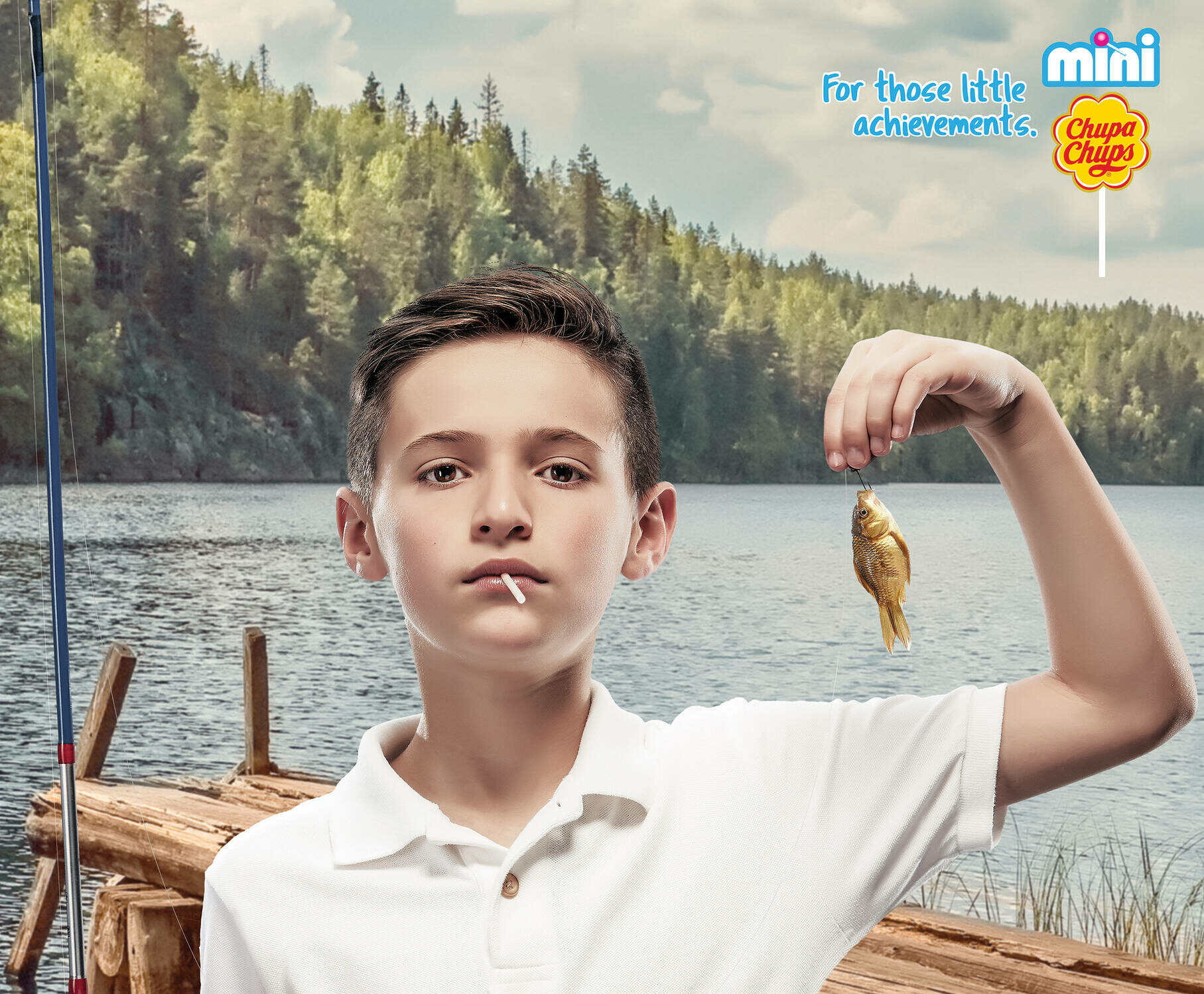
Challenge
Child-directed advertising sits at the center of a complex dispute involving children's rights, commercial freedom, parental responsibility, industry self-regulation and the role of the State. The challenge of the series was to address that debate without reducing it to a simple confrontation between supporters and critics of advertising, showing how different actors — parents, advertisers, psychoanalysts, lawyers, child-protection organizations, brands and self-regulatory bodies — understood its effects and responsibilities.
The project also needed to connect an abstract debate to concrete situations. The series therefore combined a broad feature on consumption and childhood, an interview with the then executive vice-president of Conar, a survey of cases involving allegedly abusive advertising, and field reporting from KidZania, a theme park that reproduces adult activities with a strong presence of commercial brands.
Solution
I structured the special project as four complementary pieces. “Publicidade infantil: um convite à vida consumista” serves as the central feature, bringing together sources from different fields to discuss persuasion, children's influence on family purchasing decisions, consumerism, screens and regulation. “Conar: ‘Não há necessidade’ de regulamentar a publicidade infantil” presents, in interview format, the position of Brazil's main advertising self-regulatory body.
“O controle social da publicidade à prova” shifts the debate toward concrete cases, presenting seven examples of challenged campaigns and their different outcomes, from impunity to action by consumer-protection and public authorities. “Uma nação de pequenos adultos” takes the discussion into the field through reporting at KidZania in São Paulo, exploring the tension between education, entertainment, commercial brands and the premature adultification of children. Together, the four pieces examine the same issue from institutional, legal, family, psychological and commercial perspectives.
Impact
The result was a public-interest reporting series that approached a social and regulatory debate through different but complementary journalistic formats. The project placed conflicting positions, data, interviews, enforcement cases and field observation side by side, avoiding the treatment of child-directed advertising as merely an abstract question of law or behavior.
Within my portfolio, the series is important because it shows a side of my journalistic background beyond sports: social reporting, the ability to work with very different kinds of sources, sensitive issues involving childhood and consumption, documentary research and the construction of a multi-format reporting package.
My role
I researched, reported and wrote all four pieces in the series. I interviewed specialists and representatives of different positions in the debate, organized data and challenged advertising cases, conducted the Conar interview and carried out field reporting at KidZania in São Paulo.
Reporting angles
Contextual reporting
The main feature brings together parents, advertisers, psychoanalysts and lawyers to discuss the effects of advertising and consumption on childhood.
Conar interview
An extended interview presents the case for industry self-regulation and the opposition to additional legal restrictions.
Seven enforcement cases
Campaigns involving companies such as Renault, Dolly, McDonald's, PepsiCo and Valisère help compare different institutional responses to complaints of abusive advertising.
Reporting from KidZania
The São Paulo theme park serves as a case study on brands, consumption, education and the adultification of childhood.